
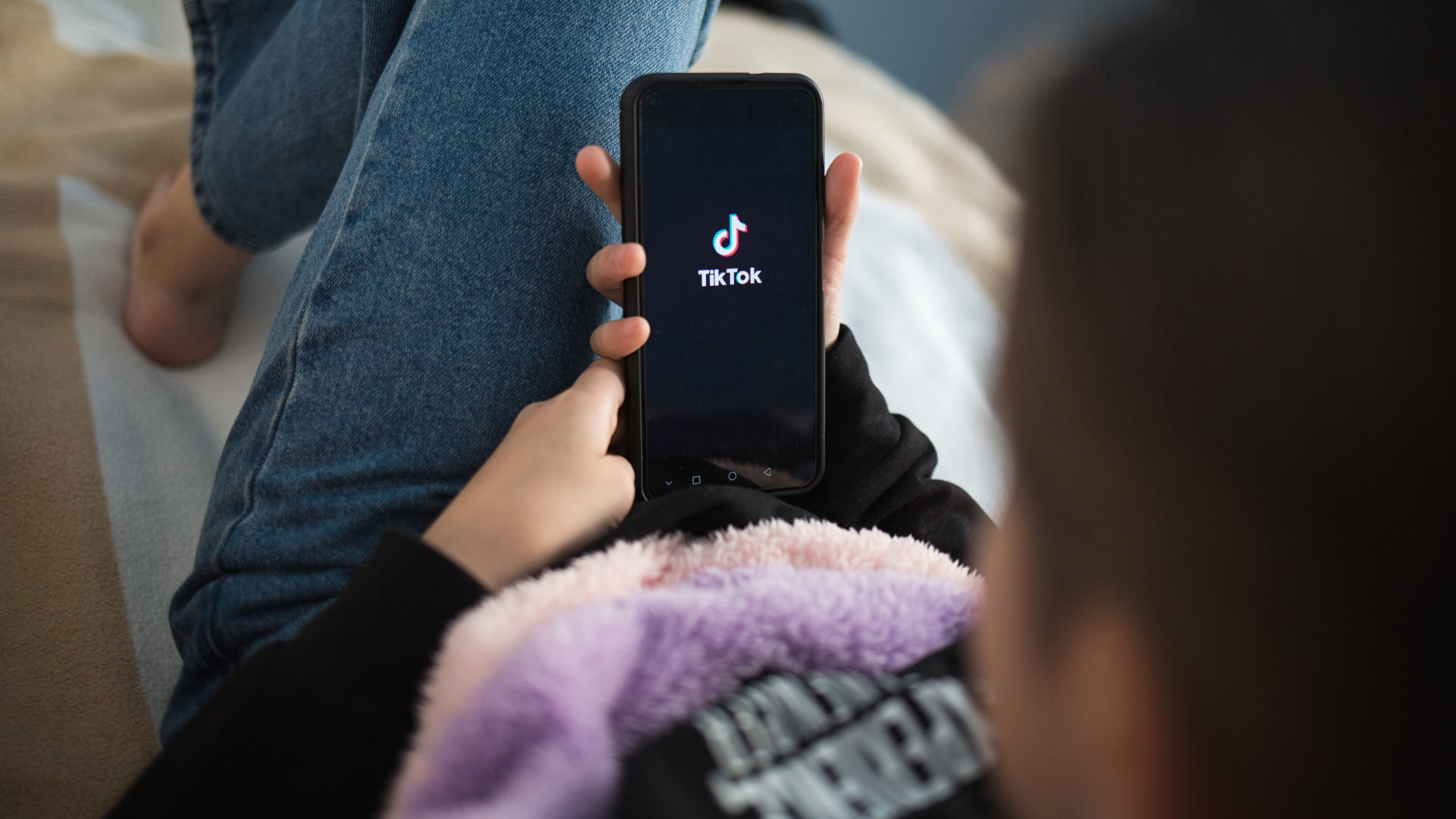
Generation Z has never known a world without the internet. Their childhood wasn’t documented in photo albums, but in “story highlights.” Their phases, crushes, mistakes, and opinions didn’t stay in notebooks — they stayed in the cloud. Unlike previous generations, who could experiment privately and forget their phases, Gen Z experiments publicly. Identity is formed in parallel with a digital footprint. A profile is not just a profile — it is reputation, social status, and an archive. In smaller communities where “everyone knows everything,” a digital trace lasts much longer. A screenshot doesn’t disappear. A video is not forgotten. What was posted at 15 can resurface at 25.
And that brings us to a key question: if young people are constantly sharing, who is actually watching? The answer is very concrete — it’s not just “followers.”
What does the algorithm really know about me?
Parents know their child’s favorite color. They know which subjects they like at school. They know who they spend time with. But the algorithm knows:
- How many seconds they linger on a specific type of video.
- Which faces they react to.
- What emotions certain topics trigger.
- At what time of night they become most vulnerable.
Platforms like TikTok and Instagram do not analyze only posts. They analyze behavior. Micro-movements of attention. Pauses. Scrolling rhythm. This means the algorithm builds a psychological profile — more precise than even the most attentive parent could create.
Generation Z does not use algorithms — algorithms shape Generation Z
A personalized feed is not neutral. It amplifies what already captures attention. If a teenager pauses on content promoting extreme dieting, they will receive more of it. If they react to conflict-driven content, the algorithm will feed them more conflict.
A parent sees their child in the living room. The algorithm sees their attention span, insecurities, and behavioral patterns. The additional problem is that parents’ digital literacy often lags behind their children’s technological development. While parents are learning how to enable parental controls, children are already using alternative accounts, new apps, and private groups.
The result? A generation that believes it is in control, while actually living inside a carefully designed attention-retention system.
Digitally present, but privately protected — is it possible?
The solution is not to demonize technology. Nor is it to withdraw from social networks. Digital presence is part of modern identity. But there is a difference between presence and exposure.
Imagine a typical scenario:
A sixteen-year-old has a public profile. Posts their location in real time. Uses the same password across multiple services. Accepts unknown followers because “more followers means more influence.” That is not extreme. That is average.
Now imagine the same person who uses two-factor authentication, posts content without real-time location tagging, periodically deletes old posts, limits app permissions (camera, microphone, location), and separates public and private identity. That is not paranoia — that is digital hygiene.
The educational moment for parents here is crucial: control does not mean prohibition. Prohibitions are bypassed. Understanding works. If a parent understands how the algorithm functions, they can ask the right questions:
- Why is this particular content appearing to you?
- How does the platform know what you like?
- Do you know who can actually see your post?
Because the essence is not fear of technology — it is awareness.
The most transparent generation in history
Generation Z is probably the most transparent generation in human history. Not because they want to be vulnerable — but because they grew up in a system where sharing is the default. Algorithms do not understand parental concern. They understand metrics.
And that is why young people’s digital privacy is more important today than ever — especially in environments where the combination of small communities and large digital footprints can have long-term consequences.
The question is not whether young people should be online. The question is whether they understand how the system they grew up in actually works.