
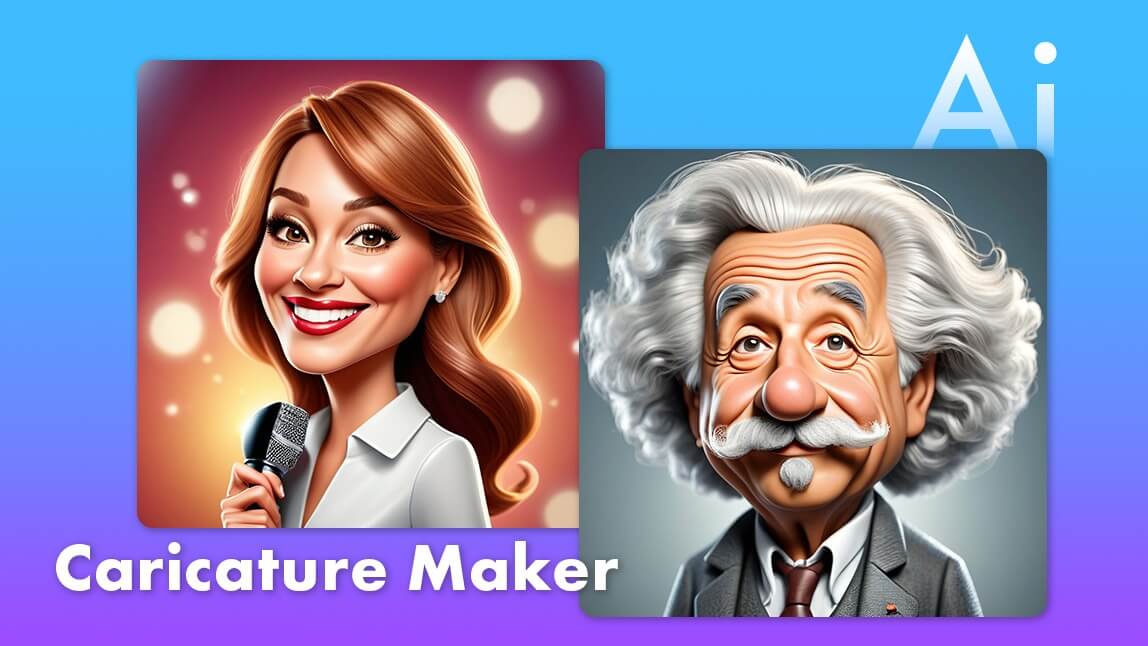
The AI caricature trend has flooded social media. With a single click, you can turn your photo into a Pixar-style version of yourself, an anime character, or a digital superhero. Platforms ask for a photo with as much detail as possible – good lighting, a clear face, no filters, high resolution. The better the quality, the better the “magic.”
But this is exactly where the serious problem begins. For the algorithm to draw your perfect digital version, it needs to see – and remember – every detail of your face. The shape of your eyes, the distance between your eyebrows, skin texture, scars, moles. This is no longer just entertainment. These are biometric data.
From Entertainment to Biometrics
When you send a photo, you’re not just sharing an image. You’re providing a unique biometric signature. The technologies behind AI caricatures often rely on models similar to those powering facial recognition systems, such as those developed by companies like Clearview AI or used by platforms such as Meta, ChatGPT, and others.
The difference lies only in the purpose. While you want a fun profile picture, the system in the background is “learning” from your face. In some cases, the terms of service allow the platform to retain and use your photos for further model training. That means your likeness could become part of future AI systems – without you even being aware of it.
What Are We Actually Giving to the Algorithm?
The moment you upload a high-resolution photo, often without any real control over what happens next, you are typically giving away:
Biometric data (your face is a unique identifier)
Metadata (time, device, sometimes location)
Context (account name, email, connected networks)
Combined with the data AI systems already have – your searches, likes, behavioral patterns – this creates an almost complete digital profile. When we remember that data has become the new currency, it becomes clear why “free” apps are so interested in high-quality photos.
How to Respond Without Panic
This is not about stopping the use of technology. It’s about awareness. Read the terms of service (especially the sections on data retention and usage), check whether there is an option to delete your data after the image is generated, and avoid apps without a clear and transparent company background.
AI trends come and go. But data remains. So the real question is whether a fun caricature is truly that important – or whether some trends are simply worth skipping.