
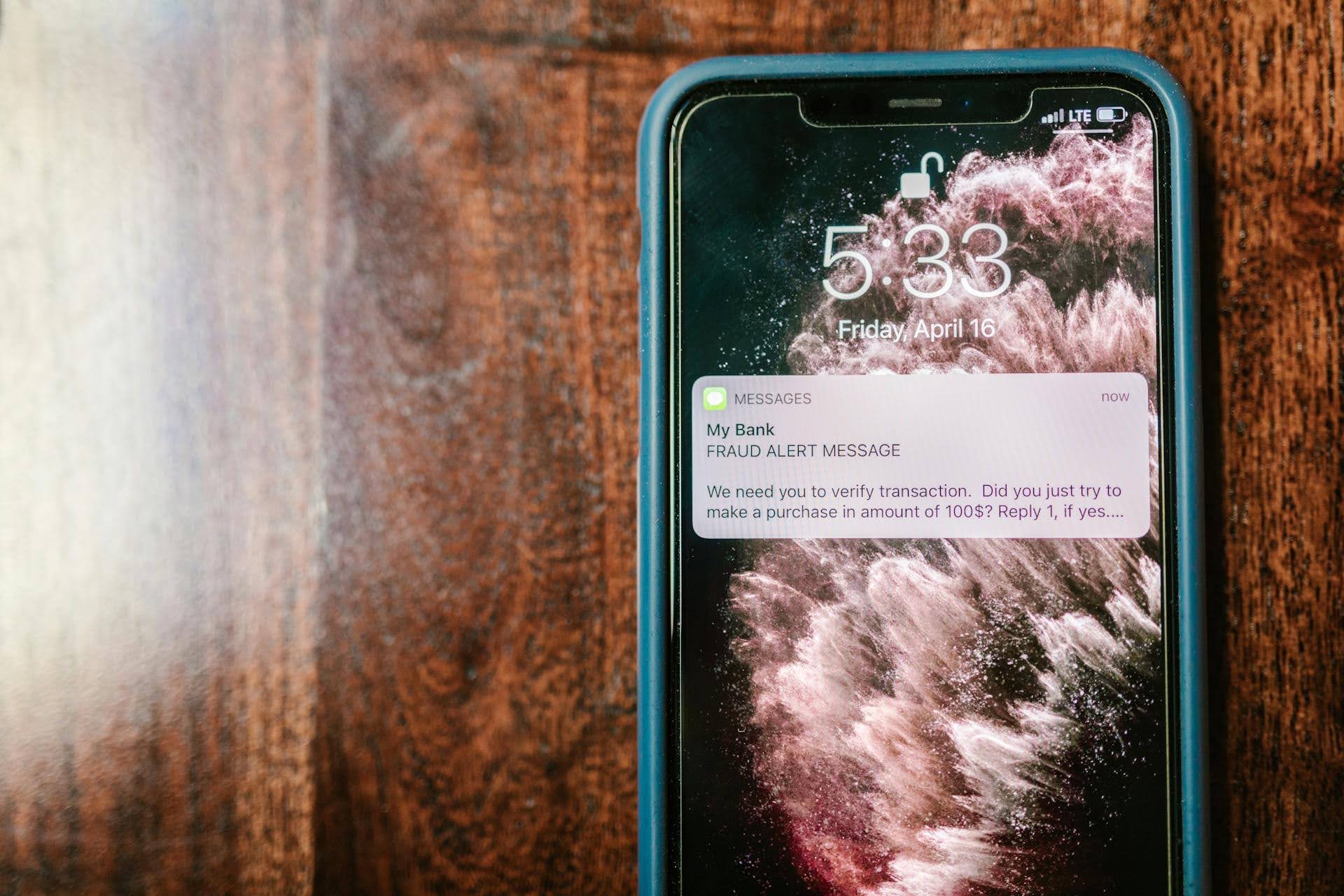
If you think online scams are a thing of the past, think again. 2026 has brought even more sophisticated tactics, and we often only recognize them when it’s already too late. Scammers adapt to people’s habits, combining fear and greed with modern technology. The result is a mix of messages, emails, and fake profiles that look completely convincing.
Fake Messages from “Banks” and Financial Institutions
These usually come in the form of SMS or emails supposedly from your bank. The message often claims your account has been compromised or that there is an urgent transaction requiring confirmation. The link, supposedly directing you to the bank’s website, looks almost identical to the real thing, complete with logos and familiar colors.
People often think it’s routine and click immediately, believing they are “checking the security of their account.” That’s when the scammer takes control – passwords, card details, and often access to all your online services become available to them.
The problem is compounded by the fact that many people don’t habitually check official communication channels or contact the bank directly before clicking. The result? Quick theft of money and data, and recovering what’s lost is difficult.
“Fake Friends” and Urgent Help Requests
This scam uses social engineering – it manipulates emotions. You receive a message from someone claiming to be a friend, a family member, or a friend of a family member, saying they are in an urgent situation. It might be an alleged problem with a bank, a trip, or an “emergency medical expense.”
The first reaction is usually compassion or the desire to help, and the scammer asks for an urgent money transfer to minimize the victim’s chance to think it through. What many don’t realize is that behind the message is often a hacker profile, a fake phone number, or a compromised account of a real friend.
This tactic is particularly effective in the Balkans because people tend to react quickly when friends or family are involved. Emotions outweigh critical thinking, and most victims realize the scam only after the money is gone.
Phishing Links in Emails and on Social Media
Phishing has never disappeared – it has just become more sophisticated. Today, links are personalized, sometimes even including your name or details that look authentic. Clicking such a link takes you to a page that looks identical to the real platform – a bank, social network, or payment service.
The problem is that people often don’t notice subtle differences: the URL is slightly altered, the security certificate is invalid, or the page asks for information the real platform would never request. One click is enough for the scammer to take control of the account or collect data for further attacks.
It also happens that people share these links thinking they are legitimate, unknowingly spreading the scam. A small lapse in attention can quickly become a disaster.
Fake Contests and Investment Scams
These scams play on greed and the illusion of quick gains. Fake contests on Facebook or Instagram promise prizes that require payment or personal information for verification. Similarly, fake investment platforms promise high returns in cryptocurrency or Forex trading.
Everything often looks professional: the website appears legitimate, charts and testimonials from “satisfied users” look convincing. People think they are just checking, but in reality, they give scammers access to money and personal identity.
In regions where many people are looking for quick ways to earn, these scams are extremely effective. The lesson? If something sounds too good to be true, it almost certainly is.
Online scams have never gone away, but today they are smarter and sneakier than ever. Each of these tactics exploits human emotions, routine, and lack of verification. Still, not all is lost. Awareness, critical thinking, and the habit of checking every link, message, or app can save your money, your data, and your peace of mind. In the end, the best antivirus is caution – and no message, no matter how convincing, is worth more than your vigilance.